Unit Plan & Curriculum Design
This page highlights a collection of standards-aligned unit plans and curriculum artifacts designed using data-driven instructional practices. Each project reflects intentional alignment between standards, assessment, and instruction, with a focus on differentiation and student-centered learning.
Grade 5 Math Unit Plan: Geometry & Measurement
Artifact Overview:
This unit plan represents a multi-week, standards-aligned math module designed for 5th grade students, integrating intentional lesson sequencing, spiral review, and data-driven instructional practices. The unit incorporates formative and summative assessments, differentiated pathways for diverse learners, and targeted intervention opportunities to ensure mastery of key concepts. Instructional design decisions were informed by student data, pacing needs, and alignment to STAAR expectations.
Geometry and Measurement Unit Plan Key Features:
Context:
- Grade Level: 5th Grade Math
- Timeline: February – March (6 weeks)
- Focus Area: Geomerty, measurement, and coordiante grids
- Standards: 5.6B, 5.4H, 5.5A, 5.8C
- Student Population: All 5th grade students on campus (110+), including bilingual and monolingual learners
Instructional Design Approach:
This unit was designed using a backward design approach, beginning with end-of-module assessments and STAAR-aligned expectations. Lessons were strategically sequenced to build conceptual understanding while embedding frequent opportunities for spiral review and skill reinforcement.
Instruction was adjusted based on student needs through:
- Built-in intervention and reteach days
- Differentiated pathways for bilingual and monolingual learners
- Multiple modes of practice (digital tools, paper-based tasks, and collaborative activities)
Data-Driven Instruction Cycles:
- End-of-module assessment corrections and analysis
- Mid-module and mock STAAR assessments
- Structured review and reteach days
Differentiation:
- Targeted support for bilingual vs. monolingual learners
- Pre-teaching strategies and vocabulary supports
Assessment Strategy:
- Formative: daily spiral review, practice sets, exit tickets
- Summative: Mid-module and end-of-module assessments
Student Engagement:
- Use of digital tools such as Quizizz, Blooket, and Google Forms
- Hands-on and application-based problem solving tasks
Impact:
Implementation of this unit structure supported increased student readiness for end-of-module and mock assessments. The integration of spiral review and targeted intervention days allowed for responsive instruction, resulting in improved understanding of geometry and measurement concepts.
Reflection:
Through designing this unit, I strengthened my ability to align standards, assessment, and instruction over a multi-week timeline. I developed a deeper understanding of how to embed differentiation and anticipate student needs within unit planning. Moving forward, I would continue refining progress monitoring systems to further individualize instruction and enhance student discourse opportunities.
Standards-Aligned Lesson Design: Area, Perimeter, and Volume Problem Solving
The following lesson exemplifies how this unit plan is implemented through student-centered instruction and aligned materials.
Artifact Overview
This lesson represents a standards-aligned, inquiry-based approach to teaching area, perimeter, and volume through real-world problem solving. Designed using the 5E instructional model, the lesson integrates hands-on exploration, collaborative learning, and formative assessment to build conceptual understanding and support student mastery.
Lesson Plan Key Features:
Context:
- Grade Level: 5th Grade Math
- Standard: TEKS 5.4H
- Placement: Mid-to-late unit within a geometry and measurement module
- Focus: Problem solving with area, perimeter, and volume
Instructional Design Approach:
This lesson was designed using the 5E (Engage, Explore, Explain, Elaborate, Evaluate) instructional framework to promote active learning and conceptual understanding.
Students begin by applying prior knowledge to a real-world scenario, then engage in hands-on exploration using manipulatives to determine efficient solutions. Direct instruction is used strategically to formalize understanding, followed by structured practice with immediate feedback through technology-based formative assessment.
Instructional decisions were guided by common student misconceptions, particularly in distinguishing between area, perimeter, and volume in problem-solving contexts.
Student-Centered Learning:
- Real-world application task (designing a playground)
- Hands-on exploration using hands-on math manipulatives (milk crates and textbooks)
- Collaborative problem solving
Differentiation:
- Scaffolded supports for below-grade level students
- Guided practice for on-level students
- Open-ended exploration for advanced learners
Assessment & Data Use:
- Real-time data collection using Plickers
- Immediate feedback and targeted intervention
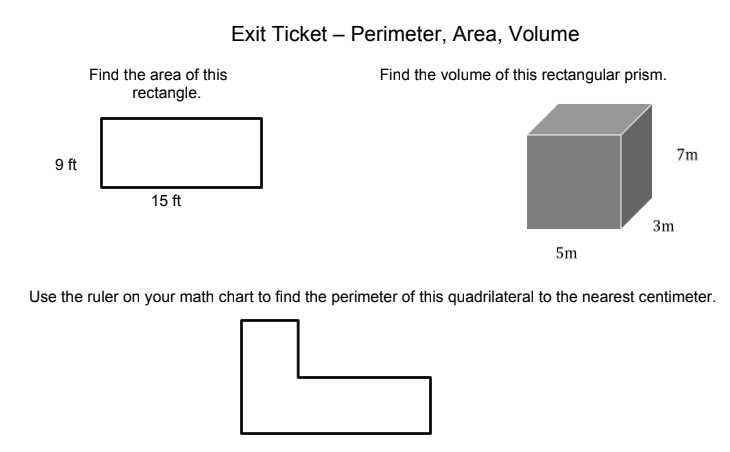
- Exit ticket to assess understanding and inform next steps
- Comprehensive Summative Assessment Option
Impact:
This lesson structure supports deeper conceptual understanding by allowing students to explore and apply mathematical concepts in meaningful contexts. The use of real-time formative assessment enables immediate intervention, helping address misconceptions and improve overall student performance on problem-solving tasks.
Reflection:
Through designing and implementing this lesson, I strengthened my ability to create engaging, student-centered learning experiences that balance exploration with structured instruction. I also refined my use of formative assessment tools to monitor understanding and adjust instruction in real time. Moving forward, I would continue to expand opportunities for student discourse and justification of mathematical reasoning.
Original Lesson Plan Student Resources and Materials:
The following materials were designed to support each phase of the 5E instructional model and provide students with multiple entry points to access the content.
Student Exploration Task (Hands-On Application Activity)
Students engage in a hands-on, problem-based exploration in which they determine the most efficient way to store materials using different-sized containers. Through student collaboration and the use of reference tools, students apply their understanding of area, perimeter, and volume to develop and justify a solution.
Direct Instruction Slides (Concept Development & Guided Practice)
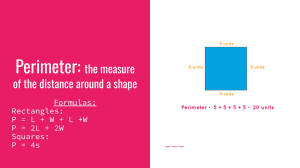
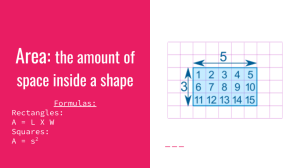
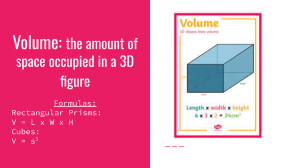
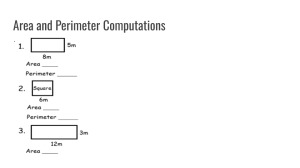
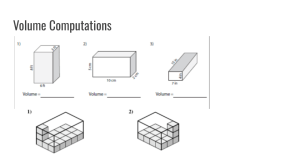
During the Explain phase, students formalize their understanding of area, perimeter, and volume through guided instruction and structured note-taking. Key concepts and formulas are introduced and reinforced using visual models and practice problems, allowing students to connect their exploration to formal mathematical reasoning.
Assessments & Data Collection
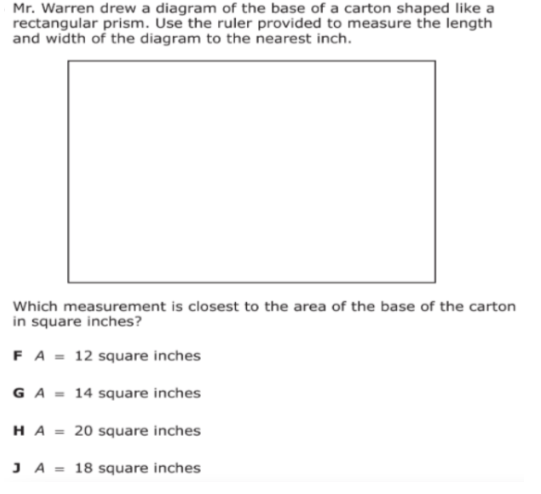
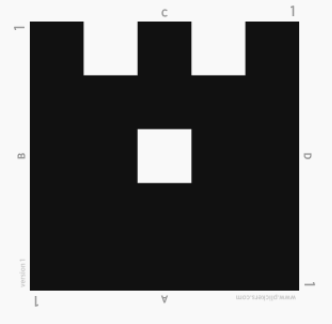
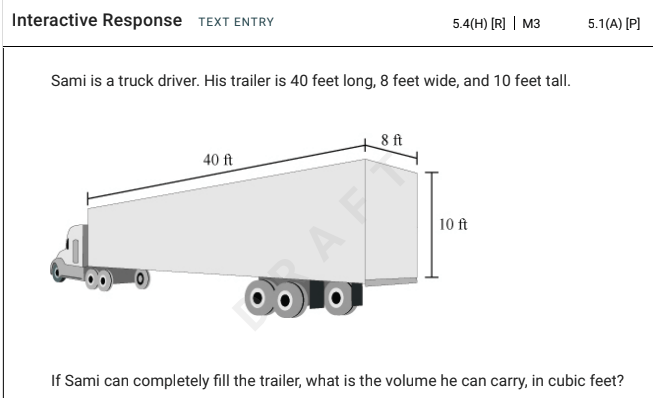
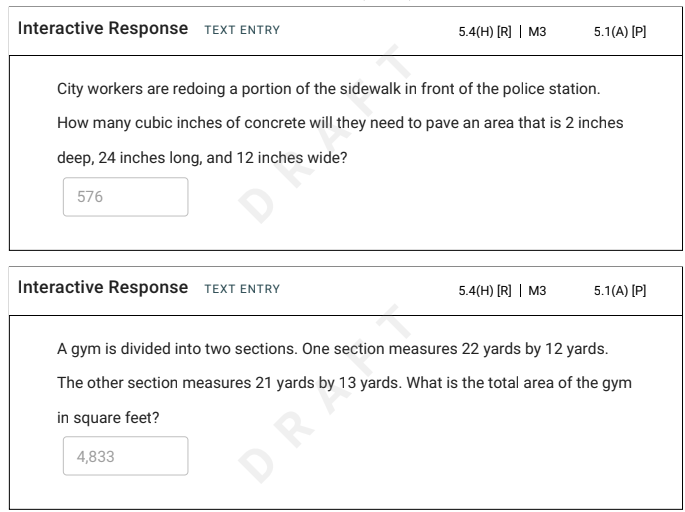
The assessment components were designed to measure student understanding at multiple points throughout the lesson and inform instructional decisions. Formative assessment is embedded through real-time Plickers questions using STAAR-released items, allowing for immediate feedback and targeted intervention. A brief exit ticket provides a snapshot of individual mastery at the end of the lesson, while a summative assessment, compiled from TEKS-aligned questions, offers a more comprehensive measure of student understanding and readiness.