Assessment Design
This page highlights my experience designing and implementing a range of assessments to measure student understanding and inform instructional decision-making. Drawing from both classroom practice and formal graduate-level training in assessment design, I utilize formative, summative, and performance-based assessments to support student learning. Artifacts on this page include everyday classroom assessments, structured assessment tasks, and examples of how student data is analyzed and used to guide instruction.
Assessment Design & Data-Driven Instruction Case Study
Overview:
This case study showcases the design and implementation of a comprehensive assessment cycle within a 5th grade mathematics unit. The system integrates formative, summative, and reflective assessments to measure student understanding, guide instructional decisions, and support student growth.
Context:
- Grade Level: 5th Grade Math
- Unit: Data Representation & Analysis
- Standards: TEKS 5.9A, 5.9B, 5.9C
- Focus: Designing a balanced assessment system aligned to instruction
Assessment Design Approach
This assessment system was intentionally designed to include three types of assessments. Together, these assessments reflect a balanced system designed to monitor student understanding, provide feedback, and guide instructional decisions.
Assessment for Learning (Diagnostic & Formative)
- Card sorting task I designed to assess prior knowledge
- Data used to guide initial instruction and group students
Artifacts Explanation: This formative assessment was designed to evaluate students’ prior knowledge of different data representations, including frequency tables, dot plots, stem-and-leaf plots, and scatter plots. Through a hands-on sorting activity, students classify key characteristics, definitions, and visual representations of each graph type. The results of this assessment provide immediate insight into student understanding and are used to guide initial instruction, identify misconceptions, and inform flexible grouping for targeted support.
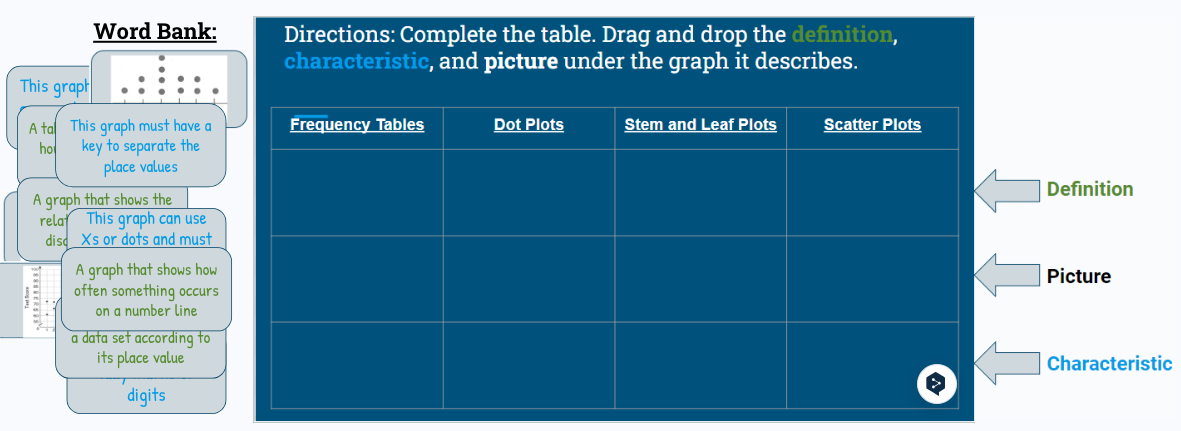
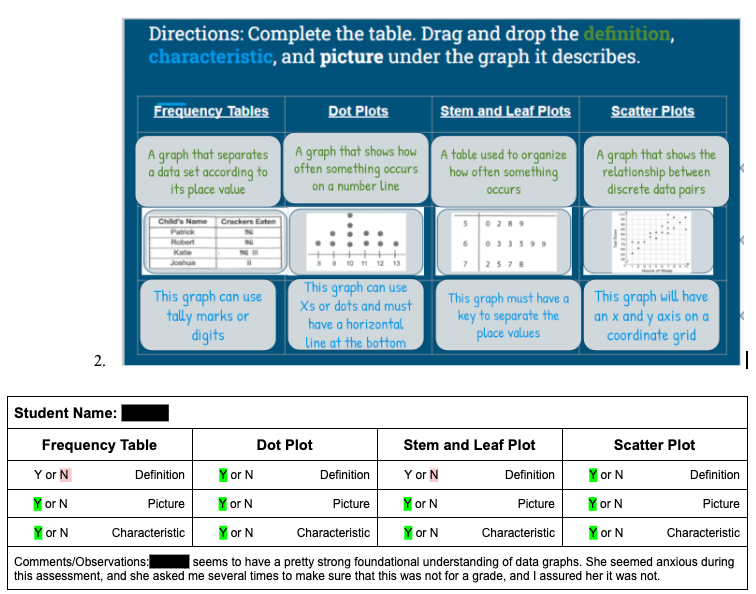
Right Image: Completed student assessment and rubric
Assessment as Learning (Student Reflection & Ownership)
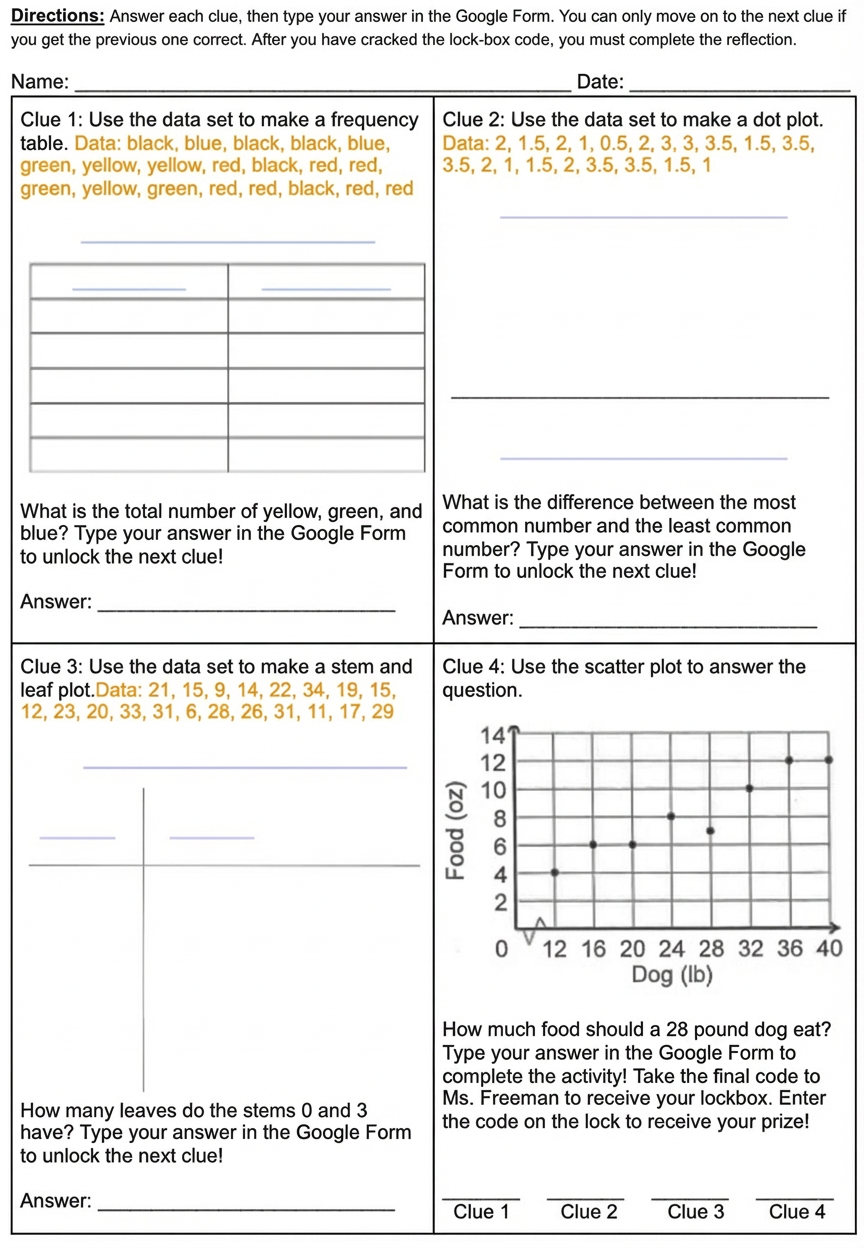
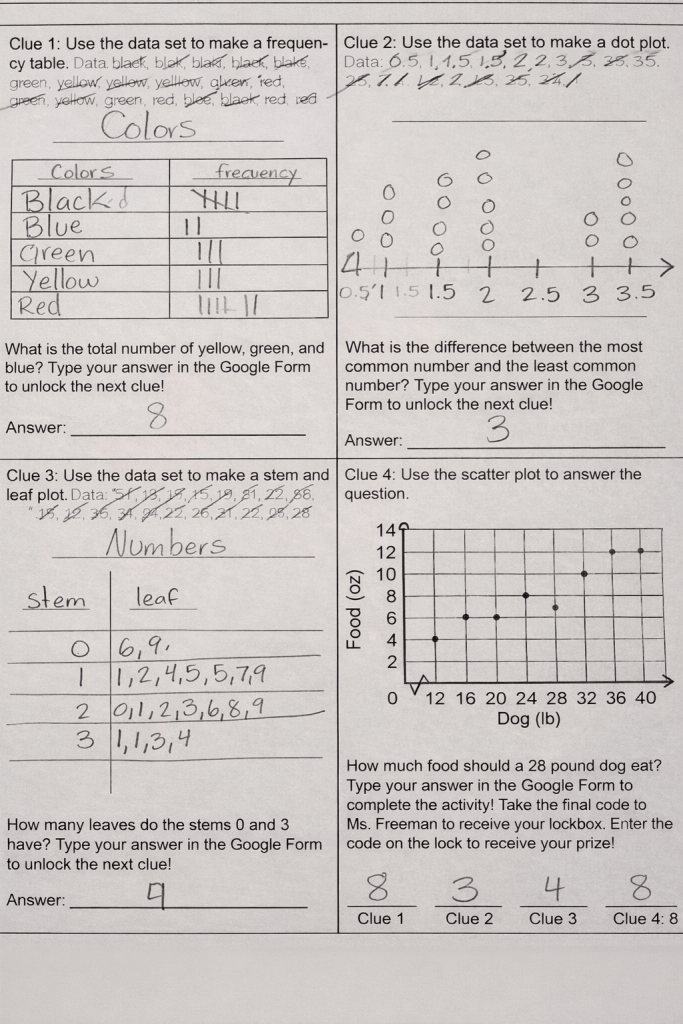
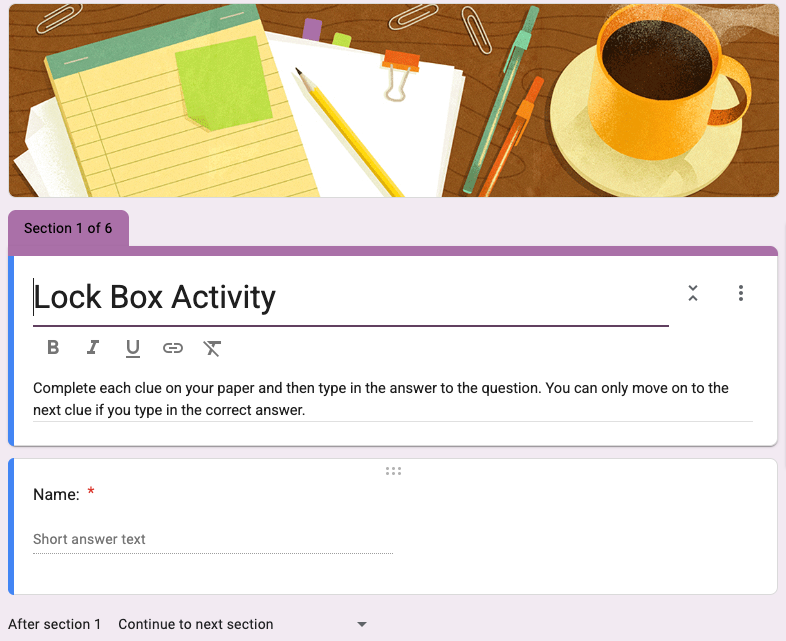
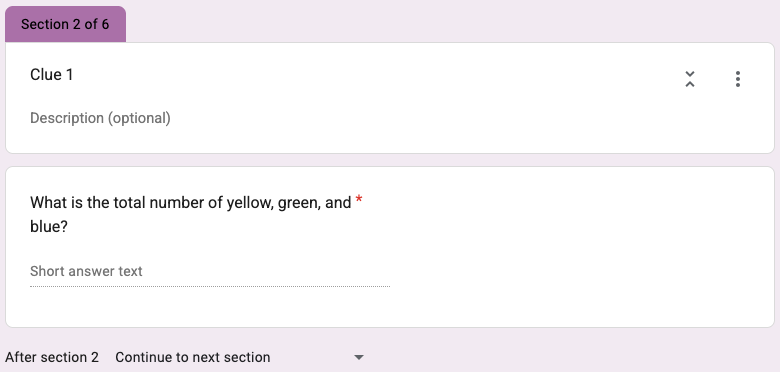
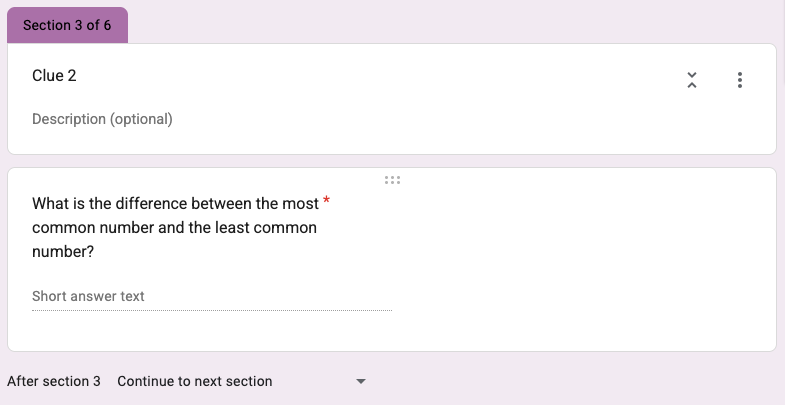
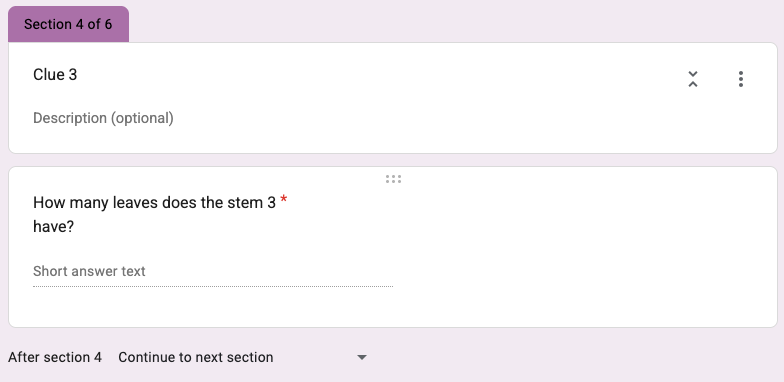
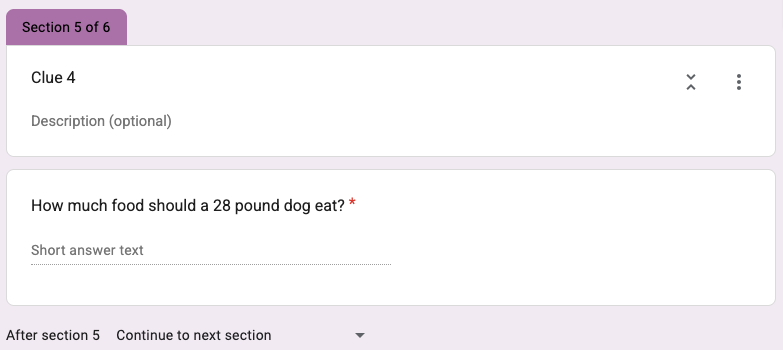
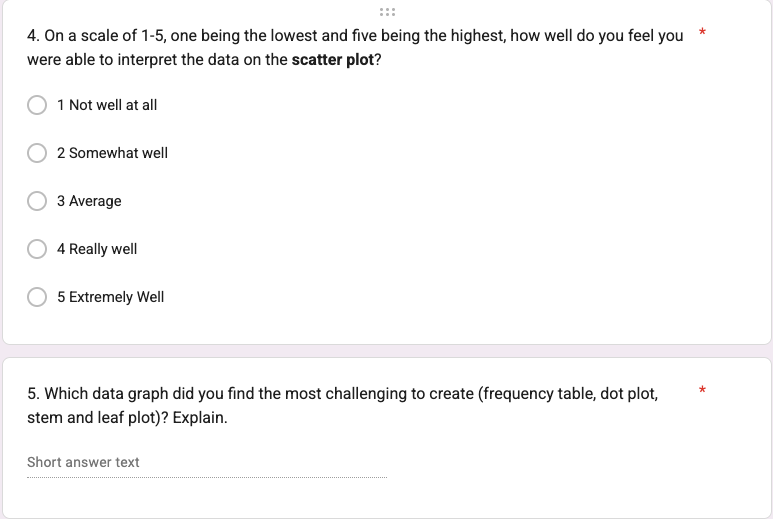
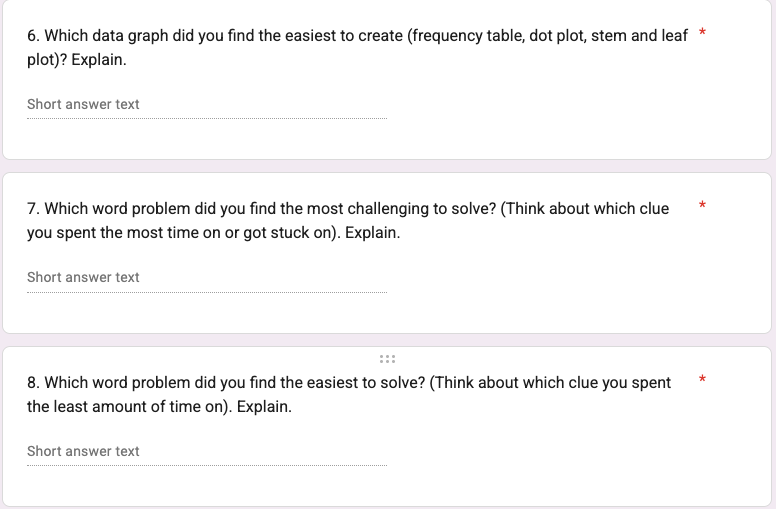
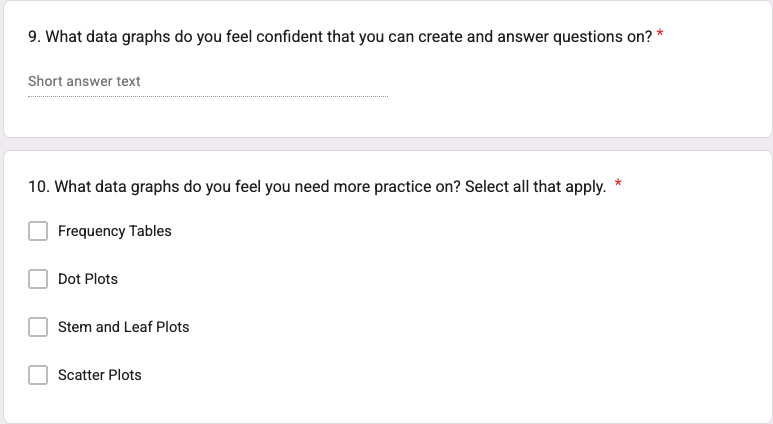
- Interactive Lockbox assessment I designed with structured problem solving
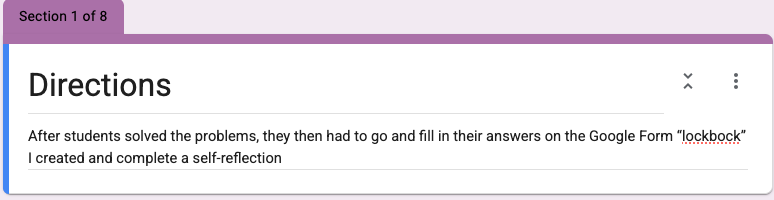
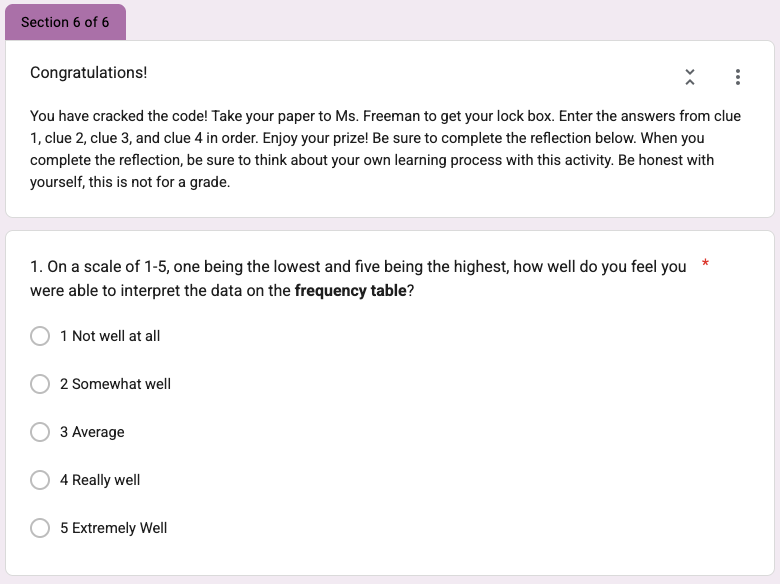
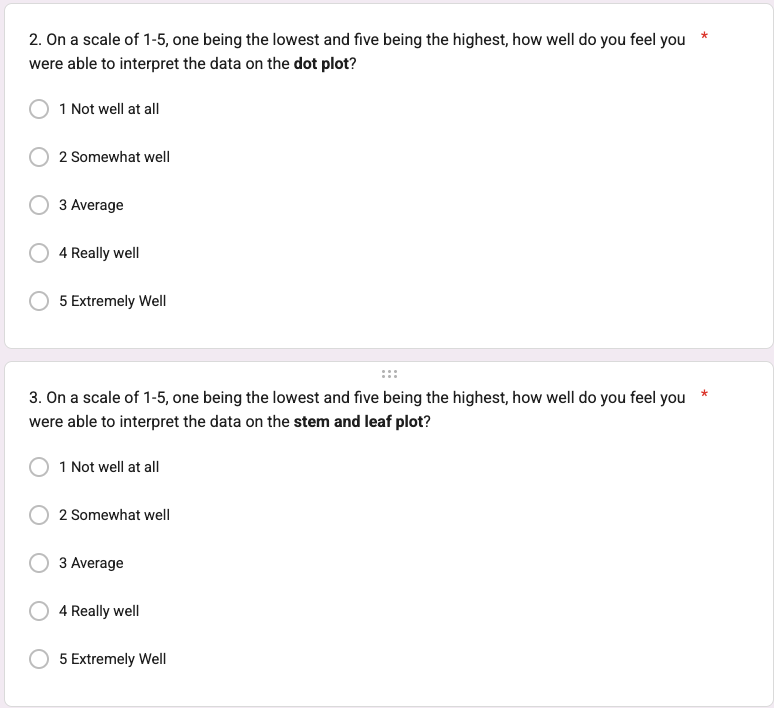
- After students solved the problems, they then had to go and fill in their answers on the Google Form “lockbock” I created
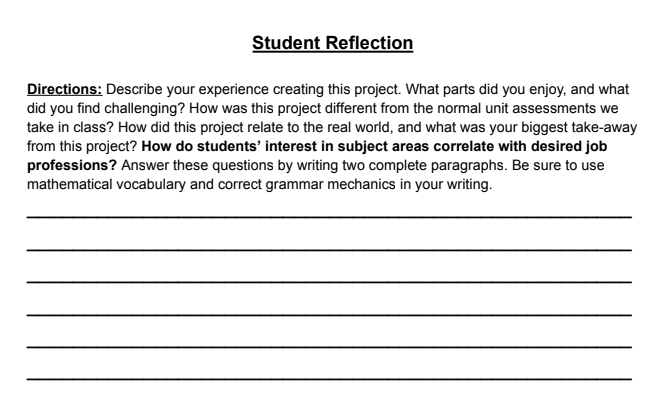
- Student self-reflection to monitor understanding and identify misconceptions
Artifacts Explanation: This interactive formative assessment engages students in solving problems related to data representation through a structured “lockbox” activity. Students must correctly interpret and apply their understanding of various data graphs to progress through a series of tasks, promoting persistence and critical thinking. Following the activity, students complete a self-reflection to assess their own understanding and identify areas for growth. This combination of problem-solving and reflection supports both immediate feedback and student ownership of learning. This assessment was intentionally designed to increase engagement while requiring accuracy and persistence, ensuring students demonstrate understanding before progressing.
Assessment of Learning (Summative Performance Task)
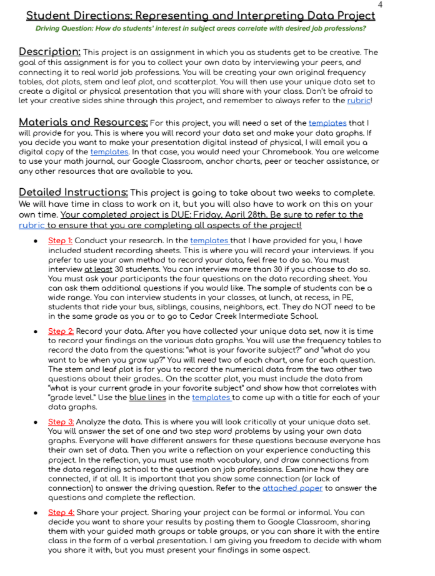
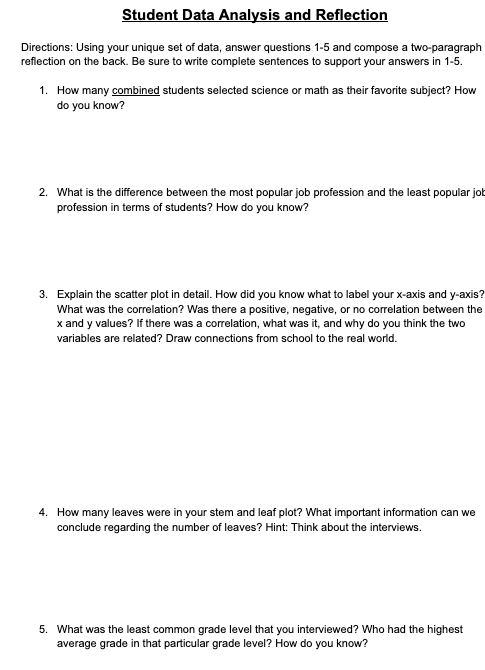
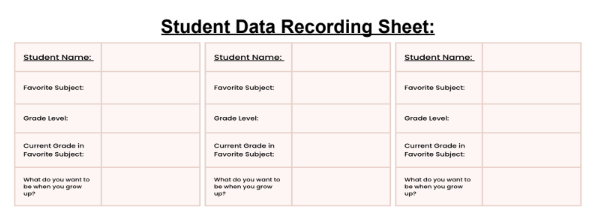
- Project-based assessment requiring students to collect, represent, and analyze real-world data
- Students created multiple data representations and drew conclusions based on their findings
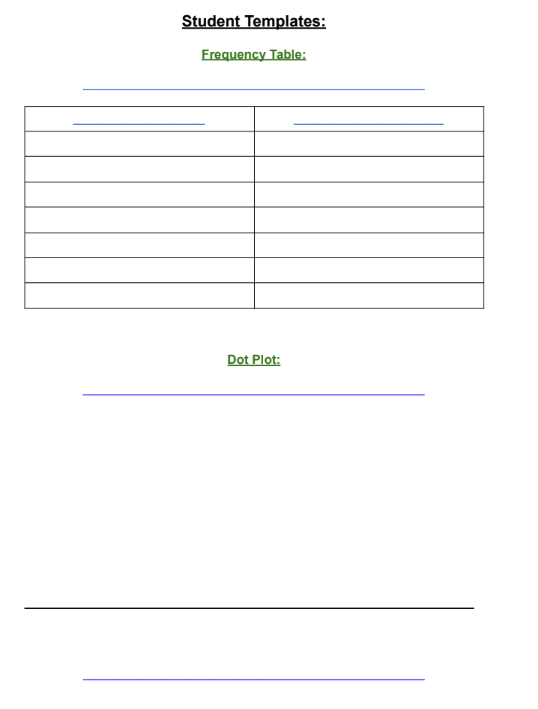
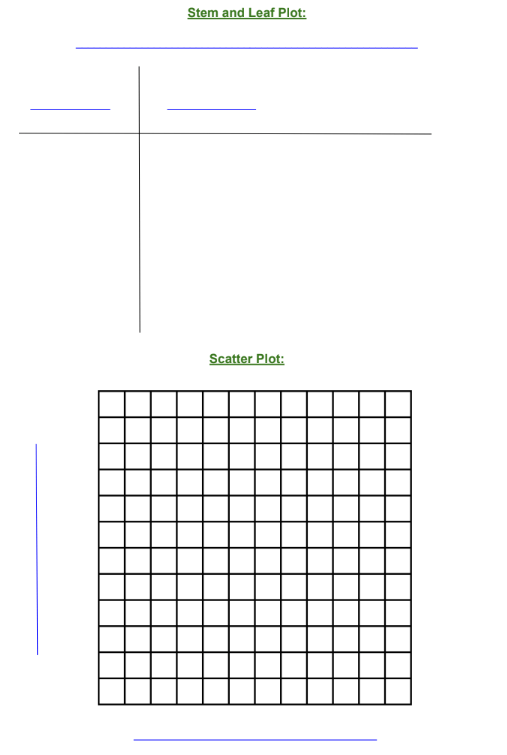
Artifacts Explanation: These are some of the summative assessment PBL task that I created. This summative assessment requires students to collect, represent, and analyze real-world data through a project-based learning experience. Students design multiple data representations, including frequency tables, dot plots, stem-and-leaf plots, and scatter plots, using their own data sets. They then analyze their findings and draw connections to real-world contexts. This performance-based task allows students to demonstrate deep understanding of concepts while engaging in meaningful, authentic application of their learning.
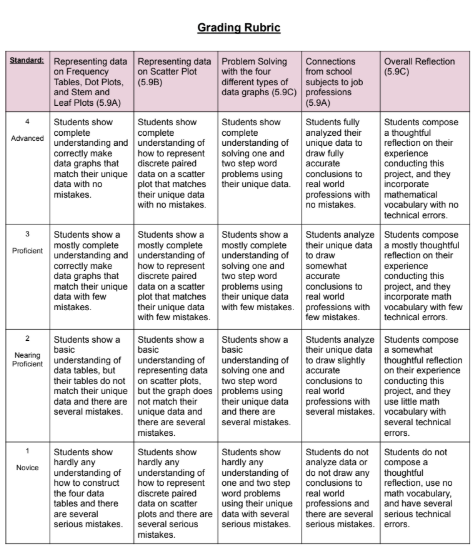
I designed the overall grading rubric to be proficiency based. This rubric was designed to evaluate student understanding across multiple standards, with a focus on accuracy, problem solving, and application of data concepts. Using a proficiency-based scale, the rubric provides clear criteria for performance at varying levels of mastery, supporting both consistent evaluation and meaningful feedback. The rubric aligns directly to TEKS standards and emphasizes conceptual understanding over procedural completion.
Together, these assessments demonstrate a balanced approach to measuring student understanding, with an emphasis on using assessment as a tool to guide instruction and support meaningful learning.
For a deeper look at how this assessment data is analyzed and used to guide instruction, please visit the Data Analysis page.

